

 ADVERTISEMENT
Almost two thirds of UK adults are unaware of the EU’s new Entry/Exit System (EES) which is scheduled to launch later this year.
That staggering statistic comes from findings by Co-op Insurance. The research has also found that more than one in five UK adults admit they would be ‘put off’ travelling to Europe as a result of the new system.
EES will require fingerprints and facial scans to be taken from UK travellers heading to EU countries.
It’s set to begin in October, just six months away, and 66 per cent of people have no idea about its implementation, while 22 per cent will likely refuse to travel to the continent entirely.
What will the EU’s new Entry/Exit System (EES) look like in practise?
The new system will see what is effectively the introduction of a ‘digital border’ between both EU/Schengen Area countries and those outside.
It’s being brought in to replace the current practice of the Border Force manually stamping passports.
Instead, passengers will have to agree to fingerprint and facial image capture the first time they arrive on the continent following the launch of EES.
After that one off process, holidaymakers will find that subsequent trips will involve quicker processing, with data captured remaining in the system for three years.
When that period comes to an end, data will be erased from the system. Each new visit to mainland Europe will come with the facial and fingerprint image capturing and trigger another three years of validity, until the expiry date of an individual’s passport.
Will travellers be put off by the EES?
It’s the image capturing that seems to be putting people off the process.
The Co-op found that just under half (46 per cent) said they didn’t like the idea of their details being captured and remaining in the system for up to three years.
Almost two fifths (38 per cent) said the potential for ‘long delays at border control’ would make them think twice before heading on a trip.
The head of Travel at Co-op Insurance, Graham Ward-Lush, says all travellers must be aware of the changes, regardless of their feelings about the situation.
“Going on holiday is a great way for people to take a break and unwind. However, as our research shows, there can be an added stress that comes with travelling to your destination, as travellers navigate the fast pace that comes with being in an airport and following the various processes in place,” he wrote in a press release.
“From our data, we can see that 2024 is already shaping up to be a big year for travel and so we want to make sure holidaymakers are well prepared so that they can ensure their trips are stress free,” he added.
Where else is the scheme causing problems for the travel industry?
The confusion surrounding the much delayed EES is not an isolated incident.
This week, it’s been revealed that a new app designed to alleviate disruption for British travellers going across the Channel will not be ready in time for the new EU border scheme.
The app was to help passengers - including those using Eurostar - leaving the UK avoid long queues, by allowing passengers to do their image creation remotely - but the train company has warned it won’t be ready in time for October.
ADVERTISEMENTSpeaking to the BBC, Eurostar boss Gwendoline Cazenave said the rail firm was having to prepare manual checks at stations as the app will not be complete.
Experts say the process of initial registration will cause long queues at the Port of Dover, Eurotunnel terminals and Eurostar hubs from October.
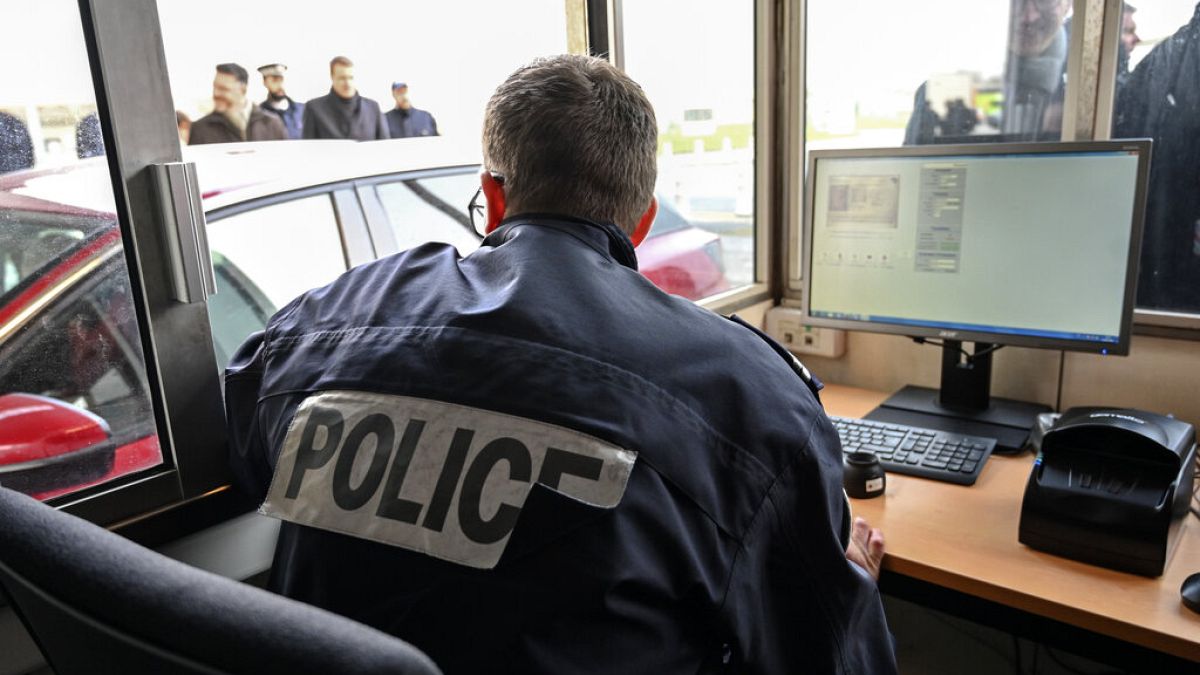
Under the current system, French border police carry out checks at these places as people leave the UK.
Due to the delay of the EES app, though, Cazenave said Eurostar has begun installing more than 49 kiosks at London St Pancras, the station which the train service runs from.
“It’s all about preparing the customer flow in the station, and to have as many staff as possible, as [much] space for the customers to cross the border in a seamless way,” she told the BBC.
ADVERTISEMENTThe EU says it has to launch EES as planned in October even though the app will not be up and running.